Tools last longer when the off-season is part of the plan.
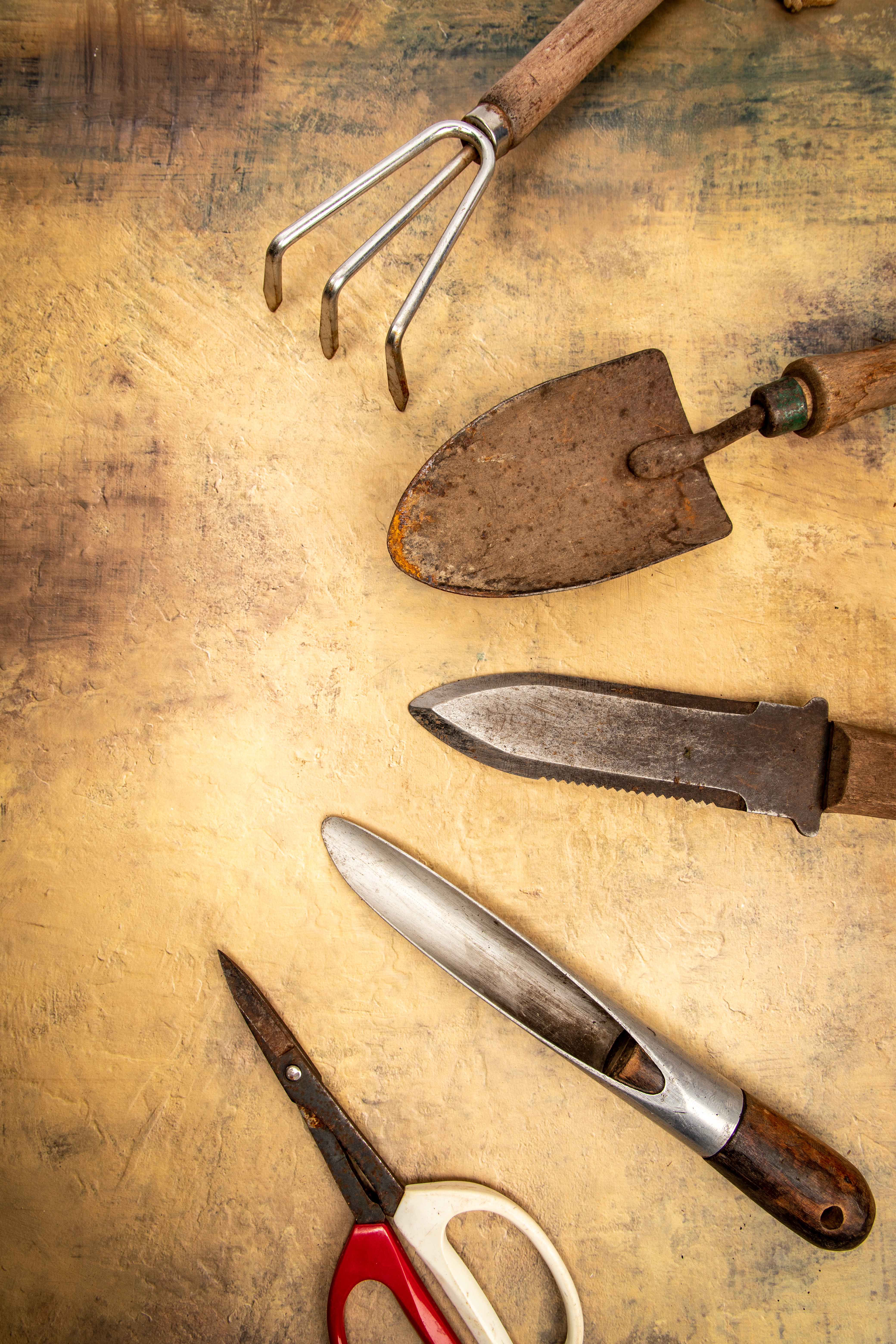
Spades, secateurs, and shears wear out from neglect more often than from use. These notes cover the routines that keep edges keen and steel rust-free across humid summers and long frozen winters.
Reference Guides
Three routines that decide a tool’s lifespan

Cleaning and Removing Rust
How to clear soil, sap, and oxidation before it pits the steel, using items already in most Canadian sheds.
Read the guide →
Sharpening Cutting Edges
Restoring the bevel on secateurs, loppers, and spades so cuts stay clean and plant tissue heals faster.
Read the guide →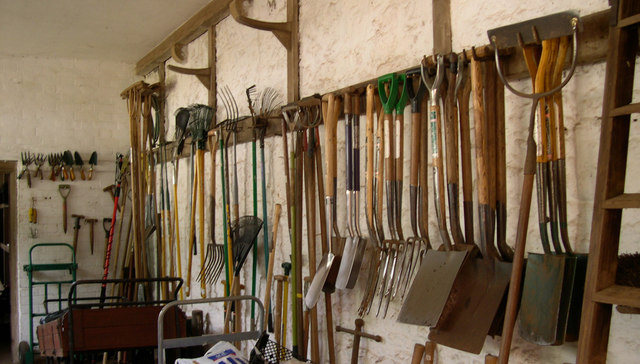
Winter Storage in Canada
Preparing steel and wooden handles for unheated sheds and garages through a freeze-thaw winter.
Read the guide →Why it matters
Maintenance is cheaper than replacement
Moisture is the main threat
Carbon-steel blades begin oxidising within hours of contact with damp soil. Drying and a thin oil film interrupt that process before pitting starts.
A dull edge harms plants
Crushed rather than cut stems heal slowly and invite disease. A maintained bevel does the work with less force on both the plant and your hands.
Winter is hard on handles
Repeated freeze-thaw cycles split untreated ash and hickory handles. A seasonal wipe of oil keeps the grain sealed against the cold.
Contact
Questions about a specific tool
If a routine here is unclear or you have a tool that is not covered, send a note. Replies are written by hand, so allow a few days.